
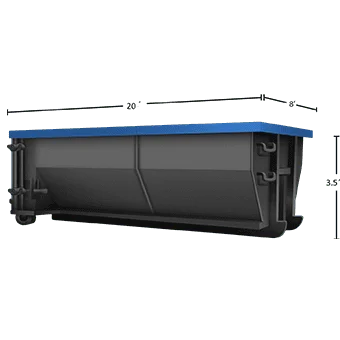
Describe the job and the actual materials
Distinguish loose household clutter, furniture, packaging and renovation debris rather than describing everything as rubbish. Identify materials that may need a separate receiving arrangement before loading. The provider’s acceptance should relate to the real contents, not only the apparent volume or a photograph of an empty driveway.
Do not transfer a public recycling option to the whole project
Farragut’s garbage and recycling page lists public and private options for different tasks. Its McFee Park recycling bins are specifically for park patrons, not household drop-off. If a project has packaging or other recyclable material, confirm the correct receiving programme and eligibility; the presence of a recycling container in a nearby park does not make it part of the property cleanup.
Review the container’s position and collection approach
Ask the property contact and supplier to assess a permitted location and the access required for delivery and removal. Explain the work period and who handles loading. A container rental does not automatically include emptying rooms or carrying items out of a building, so make any additional labour arrangement clear before the project begins.
Keep human facilities separate where work continues
If people will work at the property without usable bathrooms, discuss toilets and personal washing as a separate enquiry. Do not put cleanup liquids or debris into sanitation equipment. Confirm the actual accepted materials and collection details for the dumpster, and use the appropriate provider contact if the load or working period changes.
Questions before you book
Can household recycling from our cleanup be placed in McFee Park’s visitor bins?
No. The Town describes those bins as park-patron facilities, not a residential recycling drop-off. Check the appropriate receiving arrangement.