
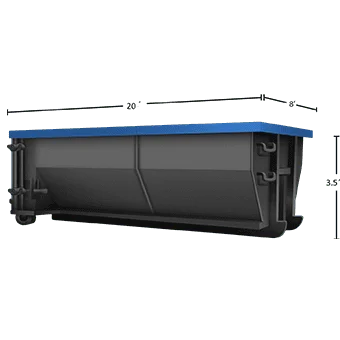
Choose from the load, not a size label alone
Describe the actual contents and whether they come from a cleanout, building work or another activity. Ask about the offered container’s accepted material and loading limits. A nominal capacity does not establish that every dense, bulky or special item can be placed inside, and the provider should review any uncertain contents before the work begins.
Identify how people will load the container
Explain who is doing the removal and ask about the actual loading arrangement for the offered equipment. Do not assume a particular door, side access or loading method from a general photograph. Keep loading labour separate from delivery and collection unless a distinct service has been explicitly included in the accepted proposal.
Preserve the position needed for removal
The property contact and supplier should assess the permitted location and approach. During the hire, coordinate other deliveries, parked vehicles and stored materials so that the accepted collection arrangement remains practical. If work changes the space around the container, raise that with the provider rather than attempting an informal relocation or assuming the collection vehicle can reach from another direction.
Confirm the finished load and collection request
Before the agreed collection, make sure the load still matches what was accepted and report any material change through the provider. Ask about the correct end-of-hire procedure instead of assuming a filled container automatically triggers a visit. The useful outcome is a clear material and collection arrangement, not simply the presence of a large bin on the property.
Questions before you book
Does the stated container size tell me how every item can be loaded?
No. Ask about the actual offered equipment, accepted contents and loading method for your project.