
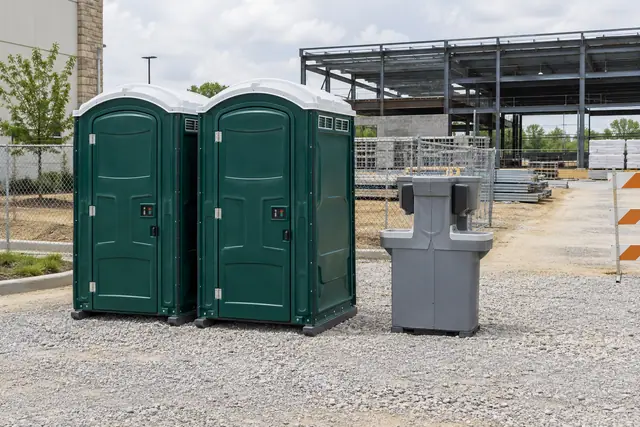
Plan a bathroom trip that fits the working site
Explain where crews work and which routes they are permitted to use. Toilets and personal washing should be reachable without making workers cross an area that the site lead has excluded from ordinary access. The provider needs that operational context when reviewing equipment placement; a short distance on a drawing may not describe a sensible trip through a live job.
Keep materials from taking over the agreed location
A place that is clear on delivery day can later become a storage or unloading area. The site lead should retain the accepted space and approach for the facilities while coordinating other deliveries. If the project requires that area for another purpose, discuss an alternative with the provider before surrounding the cabin with material or arranging an informal move.
Include the servicing visit in the site plan
Ask how servicing will be carried out for the expected use and share the normal site-access arrangements with the supplier. A locked entrance or changed work area can affect the visit even when users can still reach the toilet on foot. Report relevant changes early and keep the responsible site contact identifiable to both the crew and supplier.
Use a short equipment check at each site review
Check the agreed facilities against the actual work phase: who needs them, which functions are needed and whether the authorised access remains usable. Report equipment concerns through the provider rather than attempting repairs or changing connections. The objective is continuity of ordinary worker facilities, not a fixed arrangement that nobody revisits as the job progresses.
Questions before you book
What if material storage expands around the delivered toilets?
Keep the agreed user and service access clear and ask the site lead and provider to review a suitable change before moving equipment.